Digital art and non-fungible tokens (NFTs) are revolutionizing the contemporary art landscape, providing new opportunities for artists, collectors, and enthusiasts to create, showcase, and monetize their work. While some have touted NFTs as a replacement for traditional channels of buying, storing, and distributing artworks, the reality is that digital art and NFTs are complementary to the services provided by galleries, exhibitions, art shows, and auction houses.
Previously, artists had to ensure that every stroke or movement was just right to avoid mistakes and accurately depict their intended message. They can modify their work with a click. It reduces the hassle for artists without compromising their creativity. That’s how digital art changed the world.
The world has been transformed by digital art. There is a misconception that creating art today must be a difficult task, as art is competing against a world that is heavily influenced by technology. Some individuals argue that art is losing the battle to technology, while others believe that technology is more of an ally than an adversary to art. However, what is the impact of technology on contemporary art? And how does digital art and design factor into this?
Currently, technology dominates the world. Nevertheless, people frequently overlook the fact that art cannot exist in isolation. What role does digital art and design play in this? It is irrelevant what the social climate, time period, or country may be, the arts have always found ways to adapt to their surroundings and to incorporate current trends. Art is shaped by real-life experiences, and that is precisely how digital art is currently influencing the arts. Digital Art is fast becoming the preferred mode of expression in contemporary art
Digital Painting: One Piece at a Time
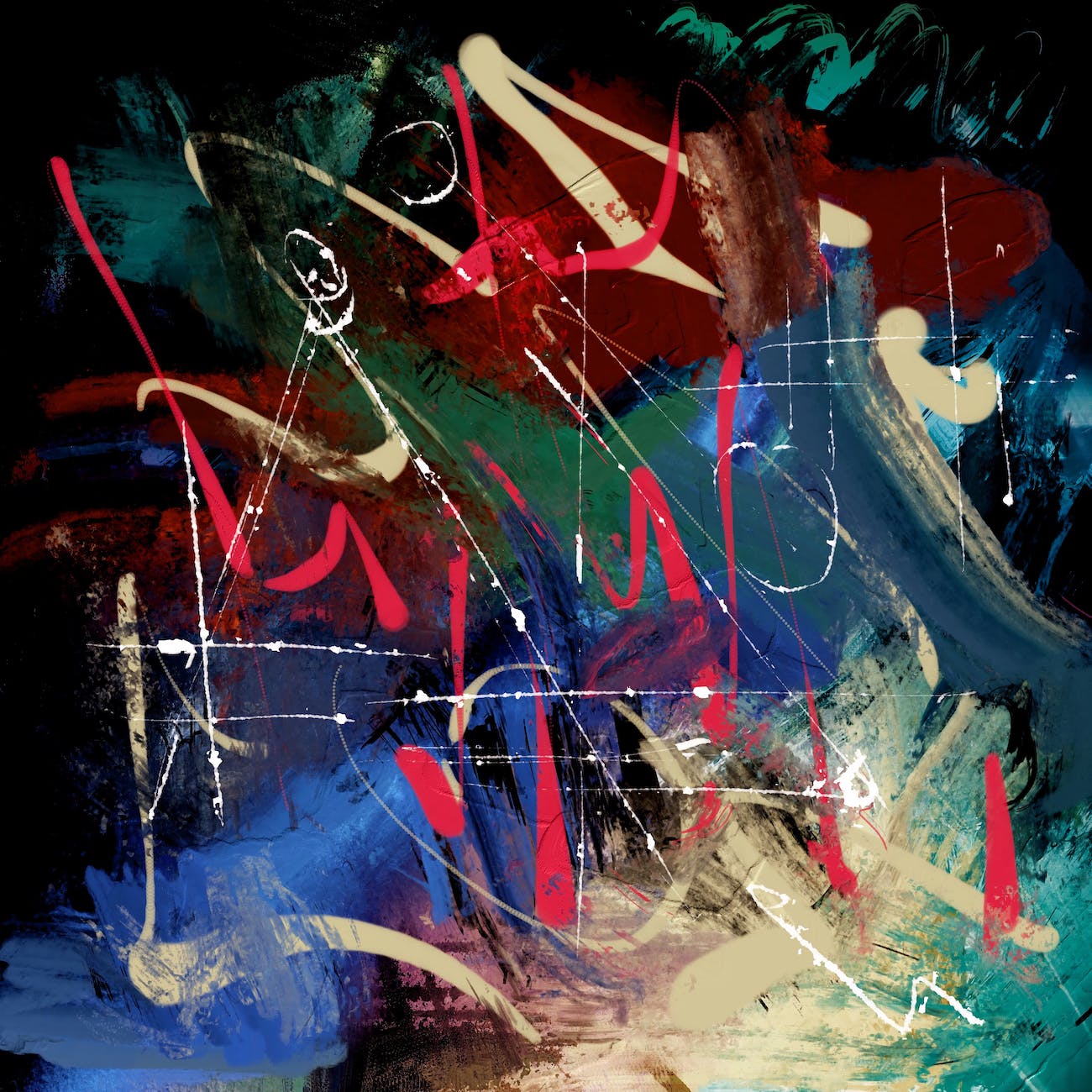
Digital art has been gaining in popularity in recent years, as artists around the world embrace new tools and technologies to create works of art that explore the possibilities of the digital medium. Digital art encompasses a wide range of styles and techniques, from 2D illustrations and animations to 3D sculptures and installations. It offers artists a new way to express themselves, pushing the boundaries of what is possible with traditional art materials.
Benefits of Digital Art to Society
Digital art has had a significant impact on contemporary art in many ways. Here are a few key benefits:
- New creative possibilities: Digital art offers artists new ways to create and experiment with different techniques, styles, and mediums that are not possible with traditional art tools. This has led to a wide range of new art forms, including interactive installations, video and sound art, virtual reality experiences, and more.
- Greater accessibility: Digital art has made it easier for artists to reach wider audiences and share their work with the world through online platforms and social media. It has also made it easier for collectors and art enthusiasts to discover and purchase art from artists around the world.
- Preservation and conservation: Digital art is often more durable and easier to preserve than traditional art, which can be vulnerable to damage, decay, or loss. Digital art can be stored, reproduced, and distributed in ways that ensure its long-term survival and accessibility.
- New forms of collaboration: Digital art has created new opportunities for artists to collaborate and work together across different disciplines and locations. This has led to exciting new projects and collaborations between artists, scientists, engineers, and other innovators.
Overall, digital art has expanded the possibilities of contemporary art and opened up new avenues for creativity, expression, and innovation. It has also challenged traditional notions of what art is and what it can be, sparking important conversations and debates about the nature of art and its role in society.
NFTs: A New Reality is Possible with VR
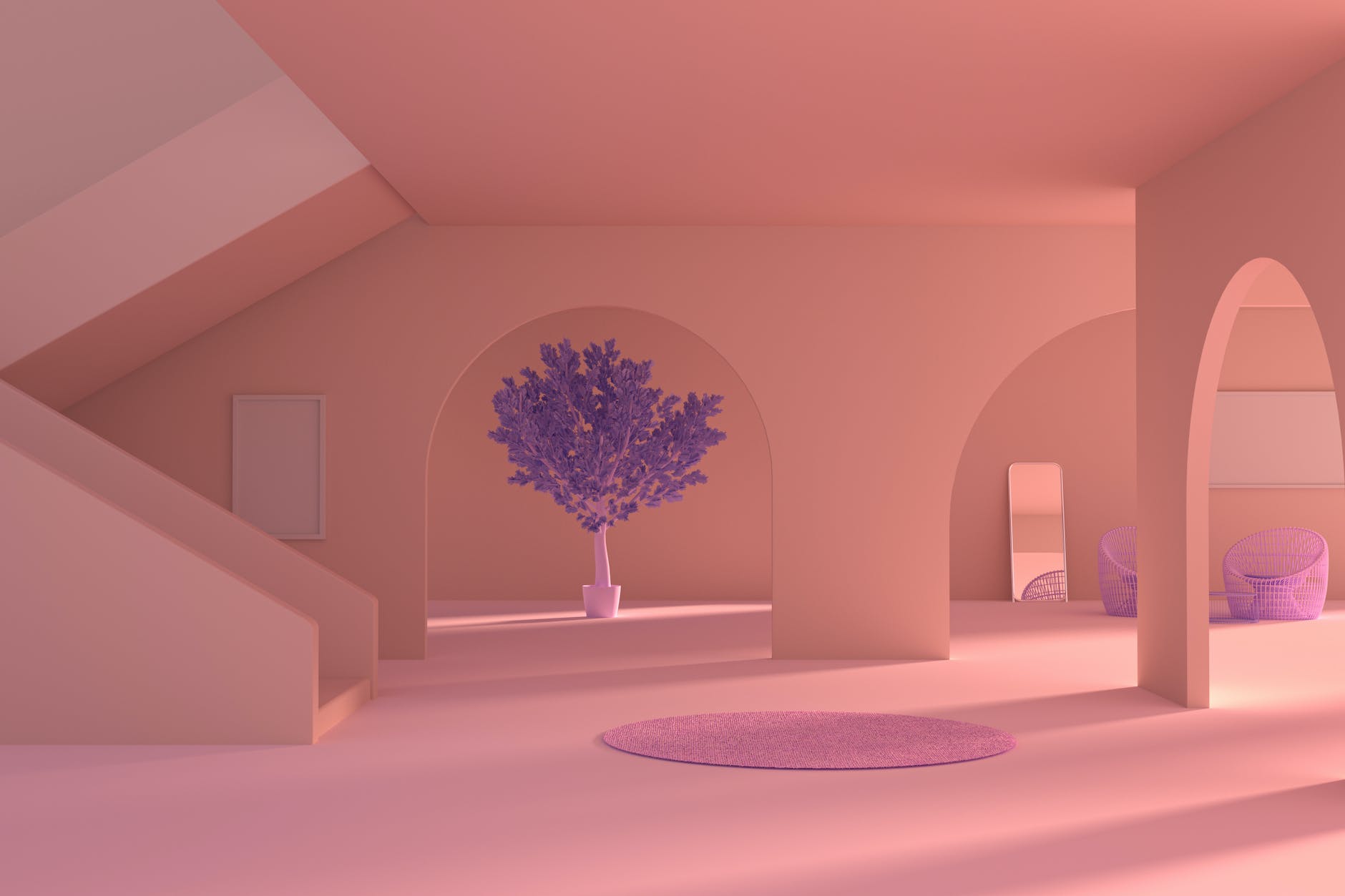
At the same time, NFTs offer artists and collectors a new way to buy, sell, and trade digital art. NFTs use blockchain technology to verify ownership and authenticity, allowing artists to sell unique and one-of-a-kind pieces directly to collectors. This has disrupted traditional art market structures, allowing artists to bypass galleries and auction houses and sell their work directly to collectors, regardless of their location or social status.
But while NFTs offer new opportunities for artists to monetize their work, they are not a replacement for traditional art channels. Galleries, exhibitions, art shows, and auction houses continue to play an important role in the art world, providing artists with exposure and recognition, and allowing collectors to discover new artists and works of art.
Digital art and NFTs complement the existing art ecosystem, providing new avenues for artistic expression and experimentation, and offering artists and collectors more options for buying, selling, and trading art. By embracing digital art and NFTs, the art world can reach new audiences and communities, and can build a more inclusive and equitable art ecosystem that benefits artists, collectors, and enthusiasts alike.
Non-Fungible Tokens (NFTs) and Virtual Reality (VR) are two cutting-edge technologies that are rapidly gaining traction and transforming the way we engage with digital content. When combined, they possess the ability to completely revolutionize the way in which we experience and consume art, entertainment, and other forms of digital media.
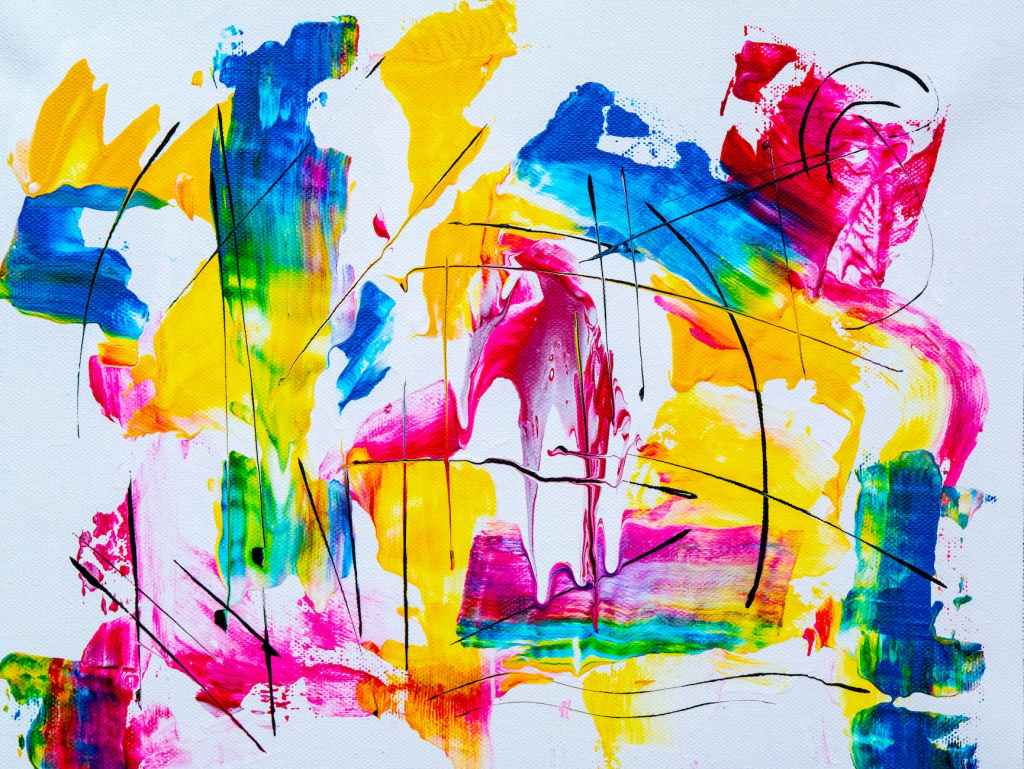
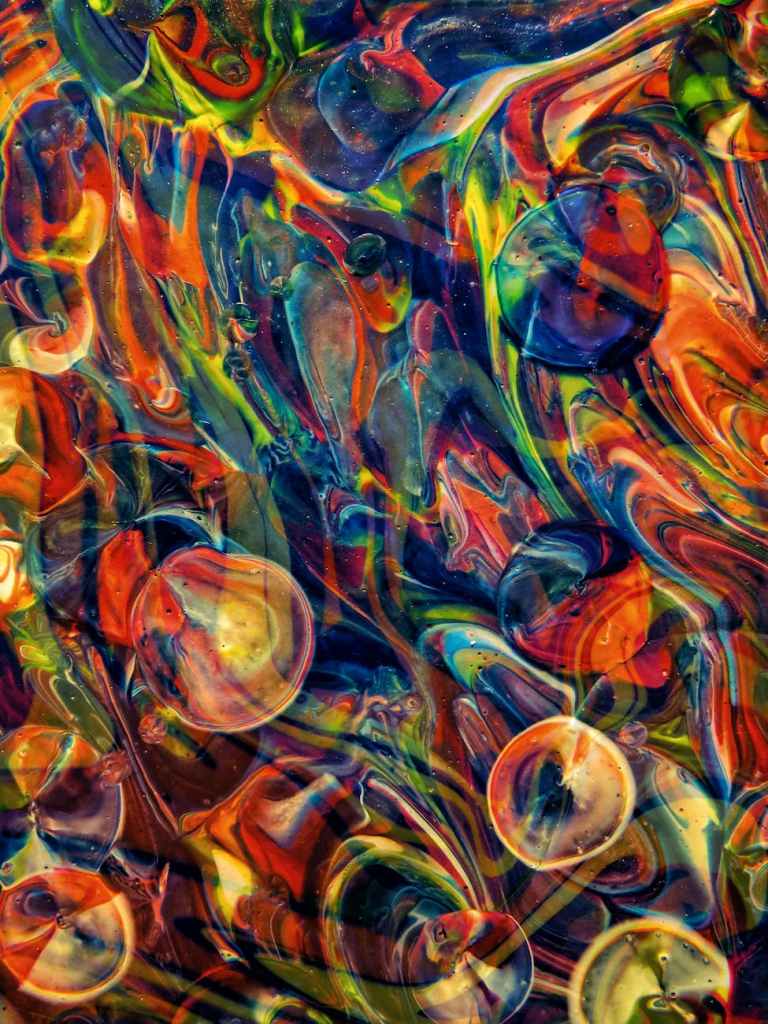
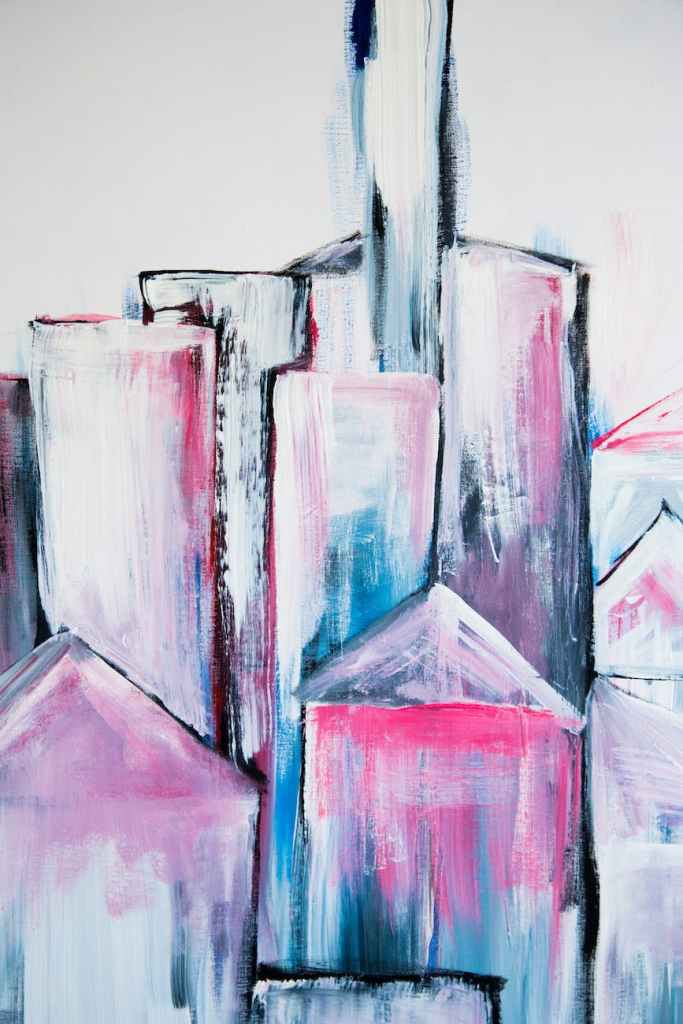
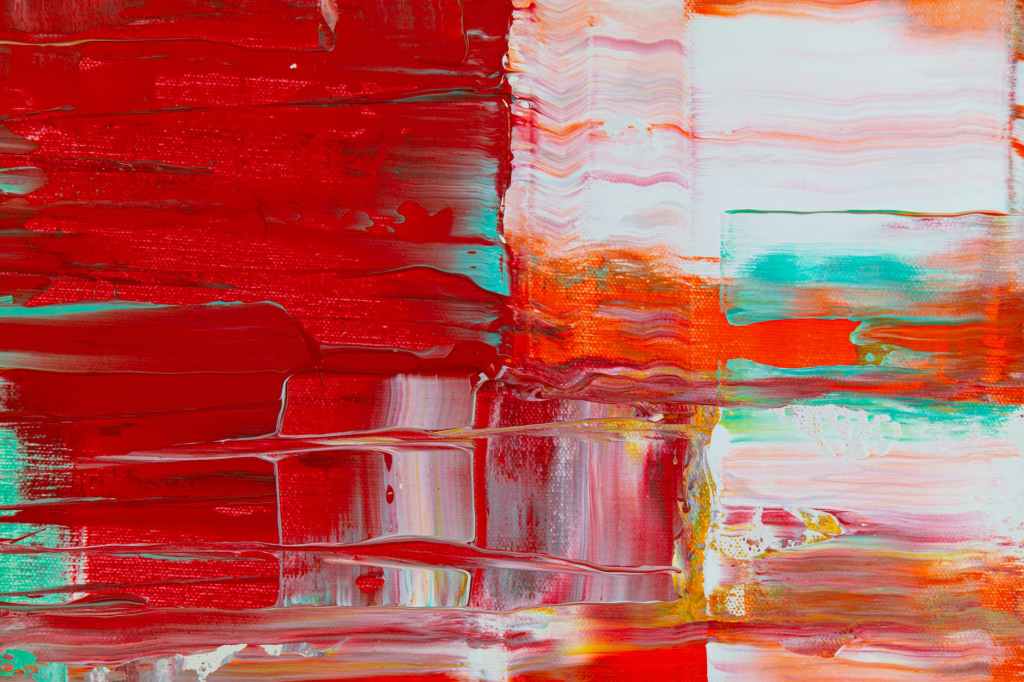
NFTs, or non-fungible tokens, have brought a number of benefits to the world of contemporary art. Here are a few ways in which NFTs are benefiting the art world:
- Increased Accessibility: NFTs have made it easier for artists to sell their work directly to buyers, without having to go through traditional channels such as galleries or auction houses. This has opened up new opportunities for emerging artists and allowed collectors to discover new talent.
- Enhanced Transparency: With NFTs, every transaction is recorded on the blockchain, providing a transparent and tamper-proof record of ownership. This makes it easier for collectors to verify the authenticity of a piece and ensures that artists receive fair compensation for their work.
- Increased Revenue: NFTs have created a new revenue stream for artists, who can now sell their work as digital assets with the potential for future resale value. This has allowed artists to benefit from the increased demand for digital art and has helped to create a more sustainable market for digital artwork.
- New Forms of Art: NFTs have enabled artists to create new forms of art that were previously not possible or practical. For example, some artists have created immersive virtual worlds that can be experienced through VR headsets or other digital devices. These new forms of art are only possible through the use of NFTs, which allow for the creation and ownership of unique digital assets.
- Global Reach: NFTs have made it easier for artists to reach a global audience, as buyers from around the world can purchase and trade digital assets without the need for physical shipping or transport. This has helped to create a more connected and vibrant art market, with artists and collectors from different countries and cultures coming together to appreciate and support digital art.
Overall, NFTs have brought a number of benefits to contemporary art, including increased accessibility, transparency, revenue, new forms of art, and global reach. While there are still debates and criticisms surrounding the use of NFTs in the art world, it is clear that they are changing the way we think about art ownership and creating new opportunities for artists and collectors alike.
The Future of Digital Art
In conclusion, digital art and NFTs are transforming the contemporary art landscape, providing new opportunities for innovation, creativity, and entrepreneurship. While they are not a replacement for traditional art channels, they complement the services provided by galleries, exhibitions, art shows, and auction houses, and offer new possibilities for artists and collectors alike. As the art world continues to evolve and adapt to the digital age, it will be exciting to see what new opportunities and possibilities emerge.
 4DLuvo'Art: An African Art Community Hub