
In the dynamic world of nonprofits, it’s not just about the money. It’s about the change, the transformation, the impact you make in the lives of those you serve. The noble goal of nonprofits is to bring about positive change, but how can we truly measure the effectiveness of this change? In this article, we’ll delve into the world of effective impact measurement for nonprofits, a critical aspect of our work that often flies under the radar.
- Start with the Right Questions
Every successful nonprofit journey begins with a simple question: “What change are we trying to create?” The first step in effective impact measurement is to define your mission, goals, and desired outcomes clearly. It’s not just about ‘feeding the hungry’ but about ‘reducing food insecurity in our community by X%.’ Make your goals specific, measurable, achievable, relevant, and time-bound (SMART).
- Collect the Right Data
You can’t measure your impact without data, and collecting the right data is crucial. It’s more than just numbers; it’s about stories, testimonials, and real-life examples that showcase the human aspect of your work. Use a mix of quantitative data (e.g., number of beneficiaries) and qualitative data (e.g., personal stories and case studies) to paint a comprehensive picture of your impact.
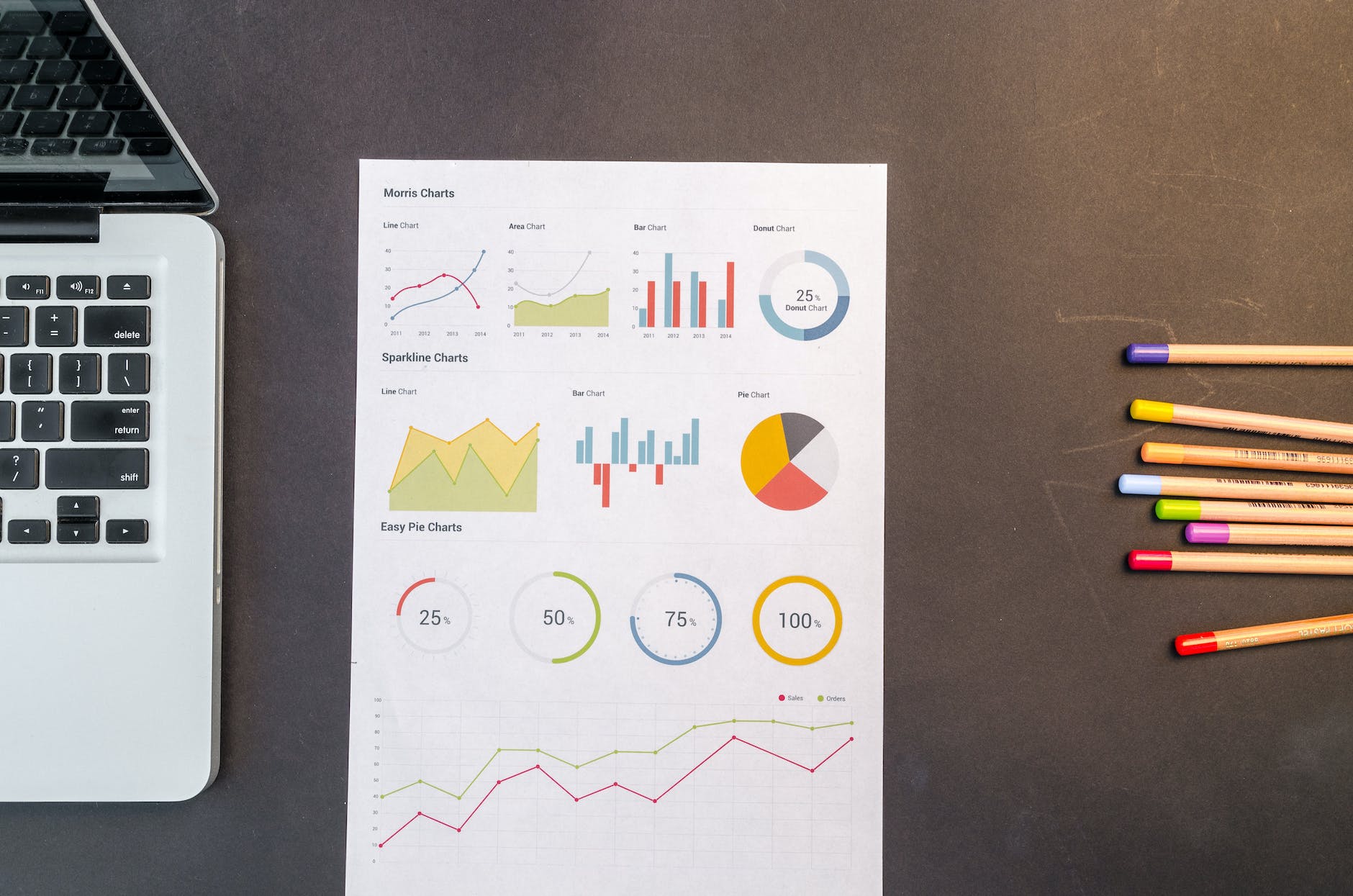
- Embrace Technology
In today’s digital age, nonprofits can harness the power of technology to streamline data collection and analysis. There are many tools and software available that make data management and impact measurement easier. Invest in the right tech solutions that fit your needs and budget, and train your team to use them effectively.
- Establish Key Performance Indicators (KPIs)
KPIs are the compass in your impact measurement journey. They help you stay on track and assess whether you’re making progress. KPIs should align with your mission and be quantifiable. For example, if your goal is to improve literacy, a KPI could be an ‘X% increase in reading proficiency among our beneficiaries over Y months.’
- Regularly Monitor and Evaluate
Measuring impact is an ongoing process, not a one-time event. Regularly monitor your KPIs, collect data, and evaluate your progress. This isn’t just about accountability; it’s also about adaptability. If you notice a program isn’t achieving the expected impact, be ready to make adjustments. The ability to pivot is an important trait in the nonprofit sector.

- Engage Stakeholders
Your stakeholders, including donors, beneficiaries, and the community, play a vital role in impact measurement. Their feedback can provide valuable insights into your work. Engage them in the process, gather their opinions, and share your results transparently. This not only builds trust but also helps in refining your approach.
- Tell Your Story
Nonprofits often struggle with getting their message across. Impact measurement is a story worth sharing. Use your data and real-life success stories to communicate the change you’re making. Create compelling narratives that resonate with your audience, whether it’s your donors, volunteers, or the public.
- Learn from Others
In the nonprofit world, collaboration is key. Don’t hesitate to learn from other nonprofits that have successfully measured their impact. Seek mentorship, attend conferences, and participate in discussions. The collective wisdom of the sector can provide valuable insights and best practices.

- Adapt and Evolve
Nonprofits, like any other organization, must adapt to changing circumstances. Be open to evolving your programs and impact measurement methodologies. As the world changes, so should your approach to maximize your effectiveness.
- Celebrate Your Successes and Learn from Failures
Lastly, don’t forget to celebrate your successes, no matter how small they may seem. Recognizing achievements is a powerful motivator. On the flip side, don’t shy away from acknowledging failures. Failures are lessons in disguise, and learning from them is an essential part of growth.

Measuring impact in the nonprofit sector is more than a numbers game; it’s about telling the story of change. It’s about using data to inspire, adapt, and continually improve. By asking the right questions, collecting the right data, and involving your stakeholders, you can navigate the maze of impact measurement effectively. Remember, it’s not just about the destination; it’s about the journey of creating a better world, one step at a time. 🌍🌟 #Nonprofits #ImpactMeasurement #ChangeMakers

 4DLuvo'Art: An African Art Community Hub